BIDAR: A GLIMPSE
Bidar, one of the 31 districts of Karnataka State, resembles the crown of the state, occupying its north-eastern tip. The district comprises five Taluks with their respective headquarters located at Aurad, Basavakalyan, Bhalki, Bidar, and Humnabad. As per the 2011 Census, the total population of Bidar District is 17.03 lakhs, which constitutes approximately 2.79% of the State’s total population.
Economically Bidar is one of the poorest districts and one of the most underdeveloped districts of Karnataka. People on the whole are satisfied with the minimum facilities they can afford in life. Many of the villages do not have even basic amenities of life. It is one of the most backward districts of Karnataka.
DON BOSCO IN BIDAR
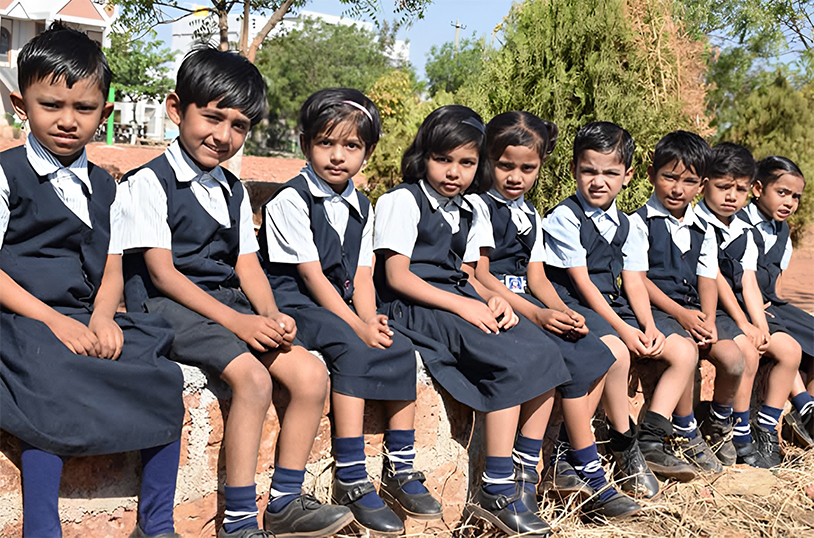
The Salesian Fathers of Don Bosco began the mission in Bidar in 2006 at the invitation of Bishop Rt. Rev. Dr. Robert Miranda. Since then, we have been actively engaged in the social development efforts alongside the Bidar team of social workers. In December 2008, we established a Child Labour Rehabilitation Centre in collaboration with the Indian and Italian governments and the International Labour Organization (ILO). This residential centre aims to support and rehabilitate child labourers, offering them a chance at a better future.
OUR VISION
We, the Salesians of Don Bosco commit ourselves to the development of youth especially the poor, marginalized and the disadvantaged sections of the society. The Salesians of Don Bosco want to be a catalyst for positive change in the Northern part of Karnataka. Inspired by the Preventive System of St. John Bosco, we provide quality education and holistic formation towards social transformation through a curriculum with life skill and technological orientation that promotes Gospel Values.
OUR MISSION
To impart quality education and skill training to children and young people through academic, vocational, and life-skill programmes; to accompany the poor and the marginalized through social outreach and pastoral care; and to nurture their faith, character, and personality—thus forming good human beings and honest citizens committed to building a just and compassionate society.